
 What We’ve Been Seeing on the Water
Spring is starting to show itself along the South Carolina coast, and the Lowcountry is slowly transitioning out of its winter patterns. Water temperatures are climbing and now in the low 70s. The marsh is beginning to wake up – bait is becoming more consistent, and the grass is trying to green-up with the recent rains. Water clarity has remained solid, though wind and stronger tides can muddy things up at times.
Most Active Species
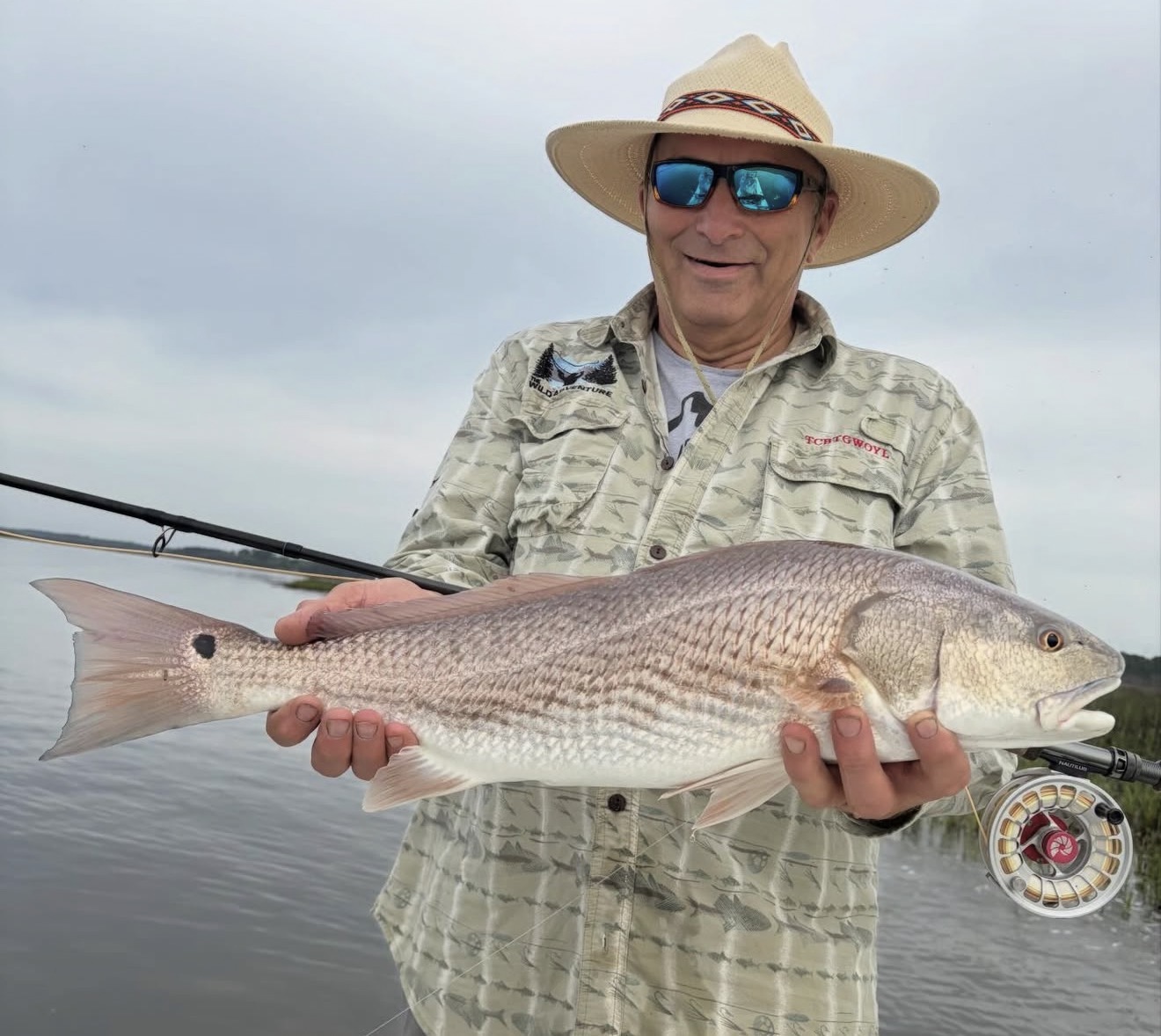
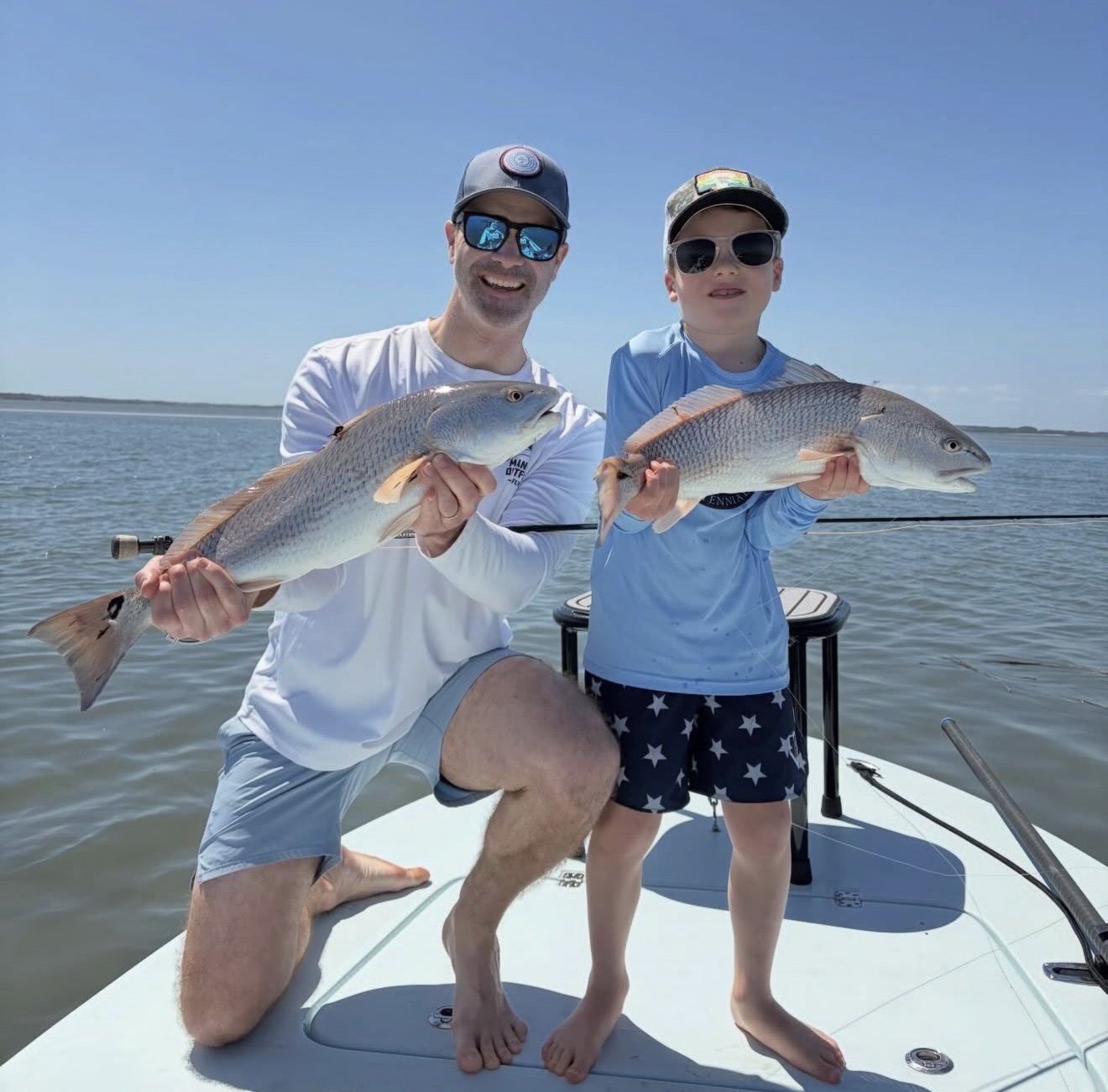
Redfish:
The winter schools are beginning to break up, but they’re still a major player.
Presentation still matters. Clear water and relatively shallow depths mean you need to stay deliberate – long, accurate casts and soft landings are key. That said, you can start to get away with slightly more movement in your retrieve.
A slow-to-moderate strip has been the sweet spot. You don’t have to crawl it like mid-winter, but aggressive strips still tend to turn fish off. Watch how they react and adjust accordingly.
We’re also seeing more singles and pairs than we have in recent months, a clear sign that the seasonal transition is underway.
Of course, tailing redfish season has officially started and has been amazing.
Migratory Species
Cobia
If you have not started looking, you should!
We’re on the front edge of that seasonal shift. It won’t be long before more migratory fish start showing up along the coast. Keep an eye on water temps and bait activity—it can happen quickly this time of year.
Shop Tips – What’s Working
Flies
Redfish:
- Small to medium shrimp and crab patterns on the flood tides
- Colors: tan, olive, brown, with some brighter accents starting to come into play
- Light to medium weight—still prioritize a soft landing
Cobia:
- Typical large baitfish flies like the Flashtail Whistler.
- Always have at least two rods rigged and ready.
Gear
- Rods: 8 wt remains the go-to; consider a 7 wt on calmer days or bump up to a 9 wt if wind becomes a factor. Pack a 10-12 wt for Cobia.
- Lines: Floating lines cover 95% of all Lowcountry applications.
- Leaders: 9 ft leaders with 16 lb fluorocarbon are still a safe bet in clear water.
- Extras: Sunglasses are critical for spotting fish—spring sun is getting higher and brighter each day
Pro Tip
This is the in-between season, and it rewards anglers who stay adaptable. Conditions are changing daily—water temps, fish behavior, and bait presence are all in flux. Pay attention to the small details: how fish are reacting, where they’re positioned on the tide, and what kind of movement they’re willing to commit to.
It’s also the perfect time to start bridging the gap between seasons in your fly boxes. Keep your confidence winter patterns handy, but begin mixing in spring-ready options – flies with a bit more profile, a touch more flash, and versatility across different depths.
Things are about to speed up. The more prepared you are now, the smoother that transition will be once it fully arrives.